Why we say it
You still need a pilot.
The whole story behind the line on our front page: a century of autopilot, the one lesson the airlines had to learn twice, and what it has to do with putting AI to work in a business.
How we think about AI
You have flown with the autopilot on. There were still two pilots up front.
If you have been on a plane, you have been on one that flew itself for a good part of the trip. Nobody announces it. Most people never think about it, and they do not need to, because the two people up front were never in question.
That arrangement is old. Lawrence Sperry was 21 when he wired a gyroscope to an aircraft's controls in 1912 and let it hold a heading with nobody touching the yoke. Nine years after Kitty Hawk. Two years later he flew past the judges at a Paris safety contest standing up with his hands in the air, his mechanic out on the wing for effect.
A century on, autopilot can cross an ocean and land in weather a person cannot see through. Every commercial flight still carries two trained pilots, by law. That rule is not nostalgia. The industry learned it the hard way.
AI is a tool, and a good one, same as the autopilot. What decides whether it works for you is who is sitting beside it and whether they know what it is doing.
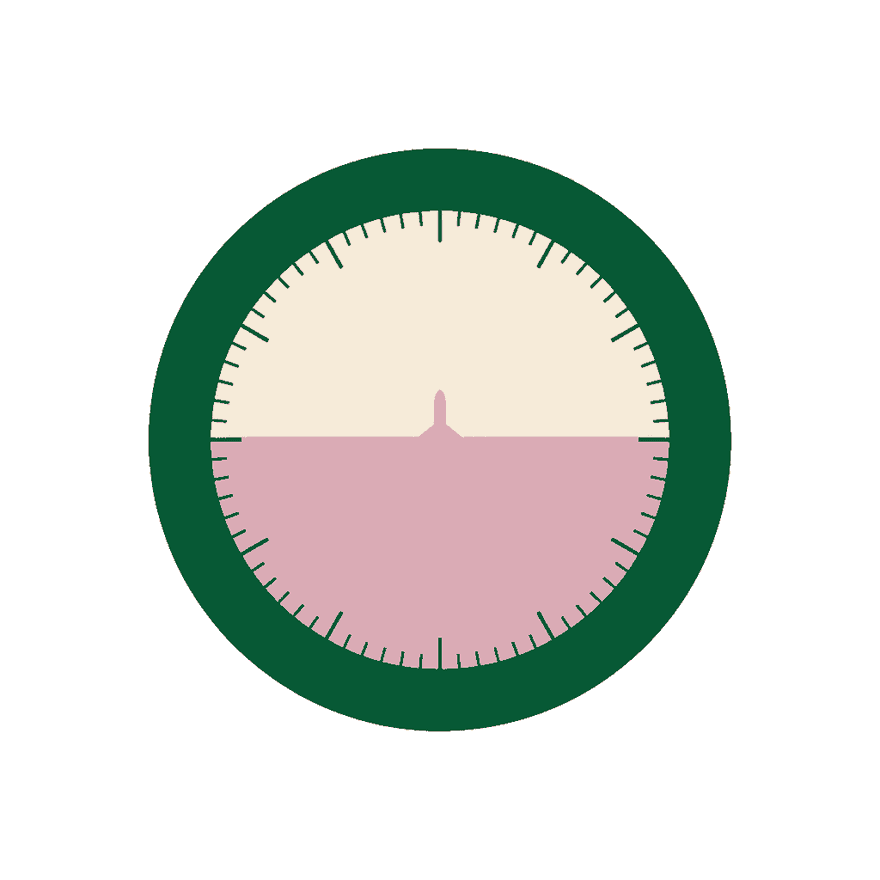
1912
Sperry links a gyroscope to the controls. The plane holds course on its own.
1914
He flies it past the judges in Paris with both hands in the air.
1933
Wiley Post circles the world alone in under eight days. The autopilot does most of the flying.
1997
Captain Warren Vanderburgh names the failure mode: Children of the Magenta Line.
Today
Autopilot can land the aircraft. The cockpit still seats two.
The part most people skip
Children of the Magenta Line
In 1997 an American Airlines training captain named Warren Vanderburgh gave a lecture that still gets passed around cockpits. The magenta line is the route the flight computer draws on the display. His worry was that crews had become very good at managing that line and quietly less good at flying the aircraft. When the automation did something they did not expect, the hands came back slowly.
Aviation's answer was never to rip the automation out. Keep it, and train people to stay ahead of it. Know what the system is doing. Know where it gets things wrong. Be ready to take the controls with no notice.
Swap the cockpit for an office and that is where a lot of AI sits right now. The tool is switched on, the output sounds confident, and nobody in the building can say why it decided what it decided.
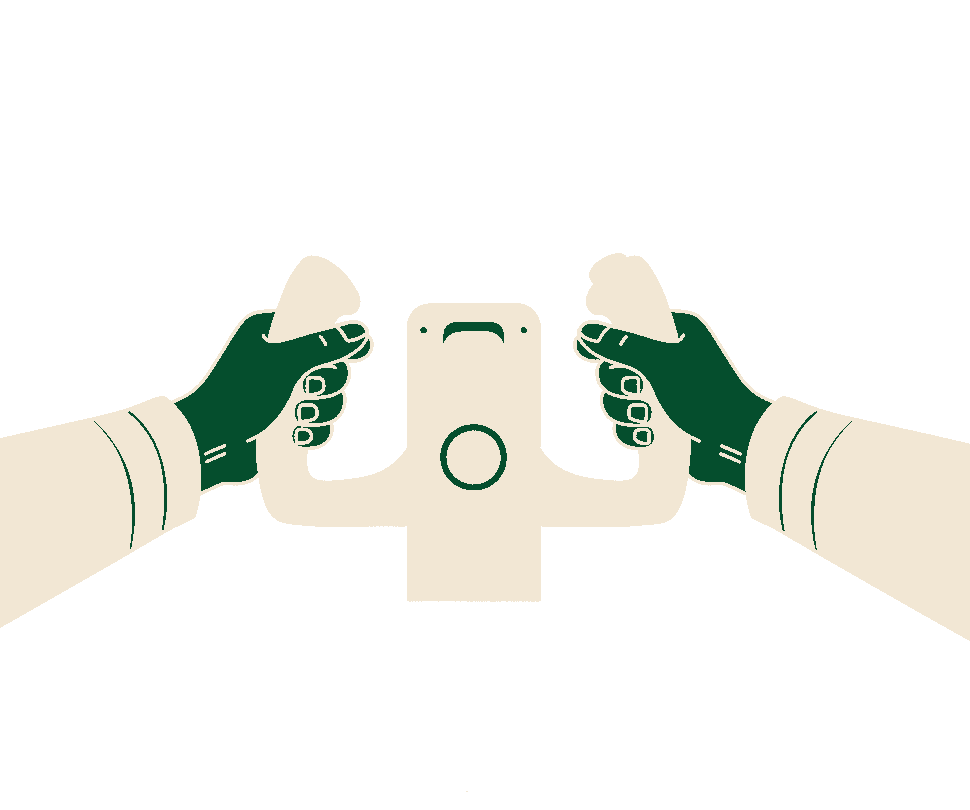
We fly it with you
New tools run against your real work, beside the people who do that work today. Demo data proves nothing.
A person signs the things that matter
Anything carrying money, safety, or someone’s reputation gets a human check before it leaves the building. By design, not as a backstop.
You keep the controls
We write down what the system does, where it gets things wrong, and how to switch it off. If we vanished tomorrow, your team could still fly it.
The short version
Great autopilot never got rid of the pilot. Great AI won't either.
Everything we hand over comes with someone who knows how it behaves on a bad day, and a team trained to notice. That is most of the work. The rest is scoping, plumbing, and knowing which shiny thing to skip.
See how an engagement runsLet's talk
Ready to figure out what AI can actually do for you?
Start with a free 30-minute discovery call. No pitch, no pressure. Just an honest conversation about where you are and what’s possible.
We aim to reply within 1 business day.
Prefer email? Reach us at hello@aureniagroup.com